The hidden costs of dry-hire venues
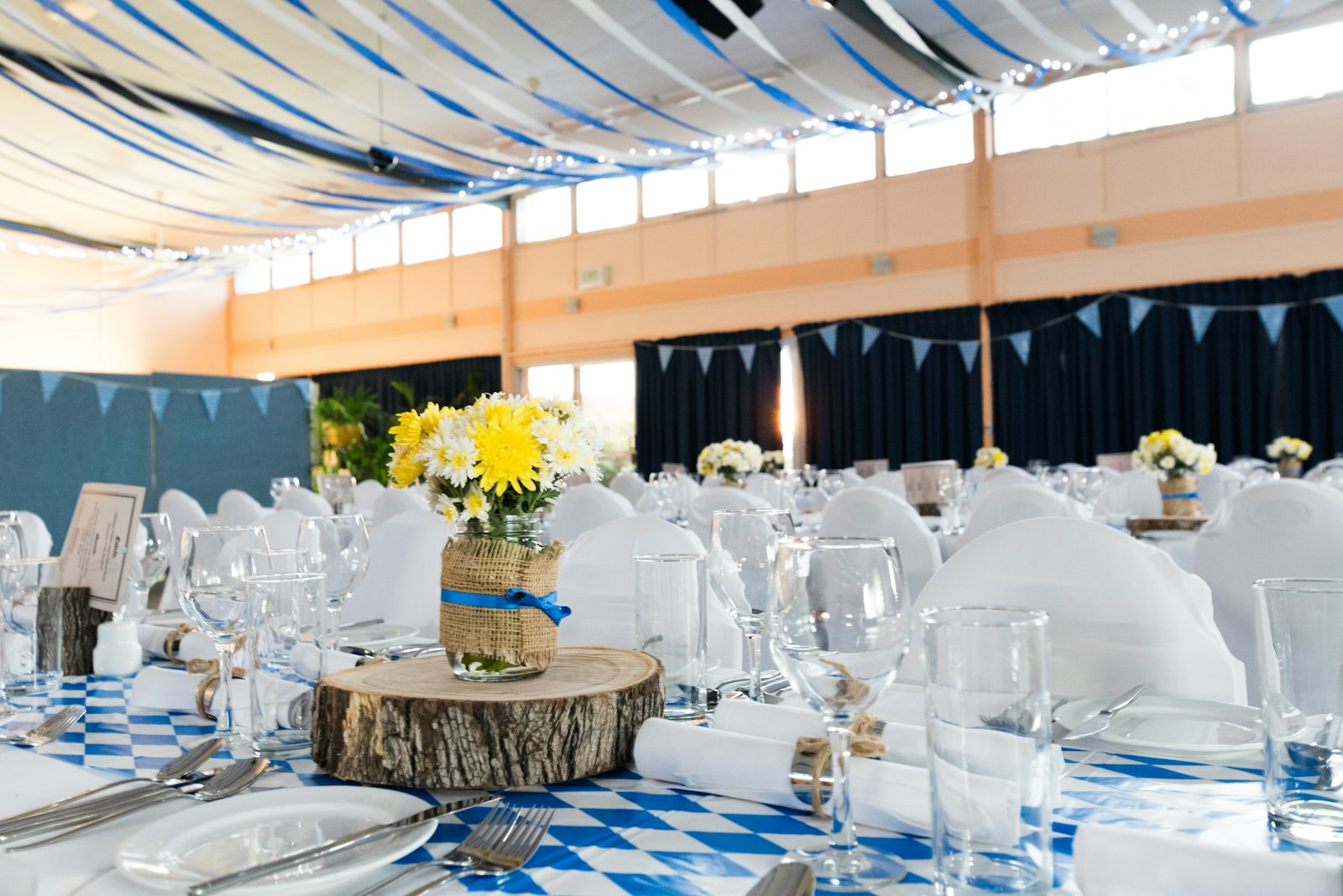
Dry hire is the most appealing four-letter phrase in British weddings, and the most consistently misread. The headline number — £4,000, £6,000, £8,000 for a barn or a walled garden — is the price of the four walls and a key. Everything else, you will pay for, source, schedule, and chase. The list is long enough that the dry-hire venue can quietly become the most expensive line in the budget.
We have seen this pattern often enough to write the inventory from memory. Below is what a typical "£6,000 dry-hire" venue actually costs by the time the band has played the last song.
The line items the brochure does not mention
Chairs: £4 to £7 per chair, hired, delivered, and collected. For one hundred guests, sat at both the ceremony and the dinner, you will need around 120 chairs. Budget £700.
Tables: trestles at £14 each, round tables at £22. For a long-table layout, ten trestles are £140. For round tables of ten, eight rounds are £176. Add table linen — £18 a cloth — and you are at £320 before a plate is laid.
Crockery, glassware, cutlery: typically £6.50 to £9 a head, hired by the caterer or by you. For one hundred guests, £750.
Loos: a single trailer of two ladies and two gents costs £950 to £1,400 for the weekend, depending on the spec. If you want the version with proper basins and warm water — and you do — you are paying £1,400.
Generator: most dry-hire venues do not have the three-phase power needed to run a kitchen, a band, and a marquee at once. A silent generator for the weekend is £600 to £900.
Marquee or sailcloth: if the venue is a garden rather than a barn, the marquee is the venue. A 12 by 24 metre sailcloth seating one hundred is £6,000 to £8,500 with flooring and lighting.
Catering kitchen: most caterers will charge a £400 to £700 kitchen-hire surcharge if your venue does not have a commercial kitchen on site. Always ask the caterer first; this number is rarely on the front page of the venue pack.
A stage: £400 for a 4 by 3 metre platform. The band will ask, and they are right to.
On-site coordination: many dry-hire venues require you to hire a day-of coordinator they approve. Budget £1,200 to £1,800 for the day.
The arithmetic
Take a venue advertised at £6,000. Add the line items above conservatively: £700 chairs, £320 tables and linen, £750 crockery, £1,400 loos, £750 generator, £400 stage, £1,500 coordinator. You are at £11,820 before a single sailcloth is pegged into the lawn. If the venue is a garden, add the marquee: now you are at £18,000 to £20,000.
When dry hire is still the right answer
Dry hire is genuinely the best value when the venue itself is irreplaceable — a family farm, a friend's walled garden, a barn that has been in the village for four hundred years. The premium is real, but you are buying something a hotel cannot sell you. What you are not doing is saving money. Anyone who tells you dry hire is cheaper than a packaged hotel wedding has not added up the chairs.
When Sposa reads a dry-hire quote, the first thing it does is run the inventory above against the venue's site notes and produce a true cost. The brochure number is almost never the real number. We would rather you knew before you signed.
If this is the kind of thinking you want on your wedding, Sposa is £24 a month — 7 days free to start.
More from Sposa.